Cheap Concreting in 4891
Looking for a concreter in 4891? This area (Outback - North, Queensland) takes in Karumba and nearby streets. Use the search and quote form to reach concreters who genuinely cover the postcode, and compare on price, timing and scope.
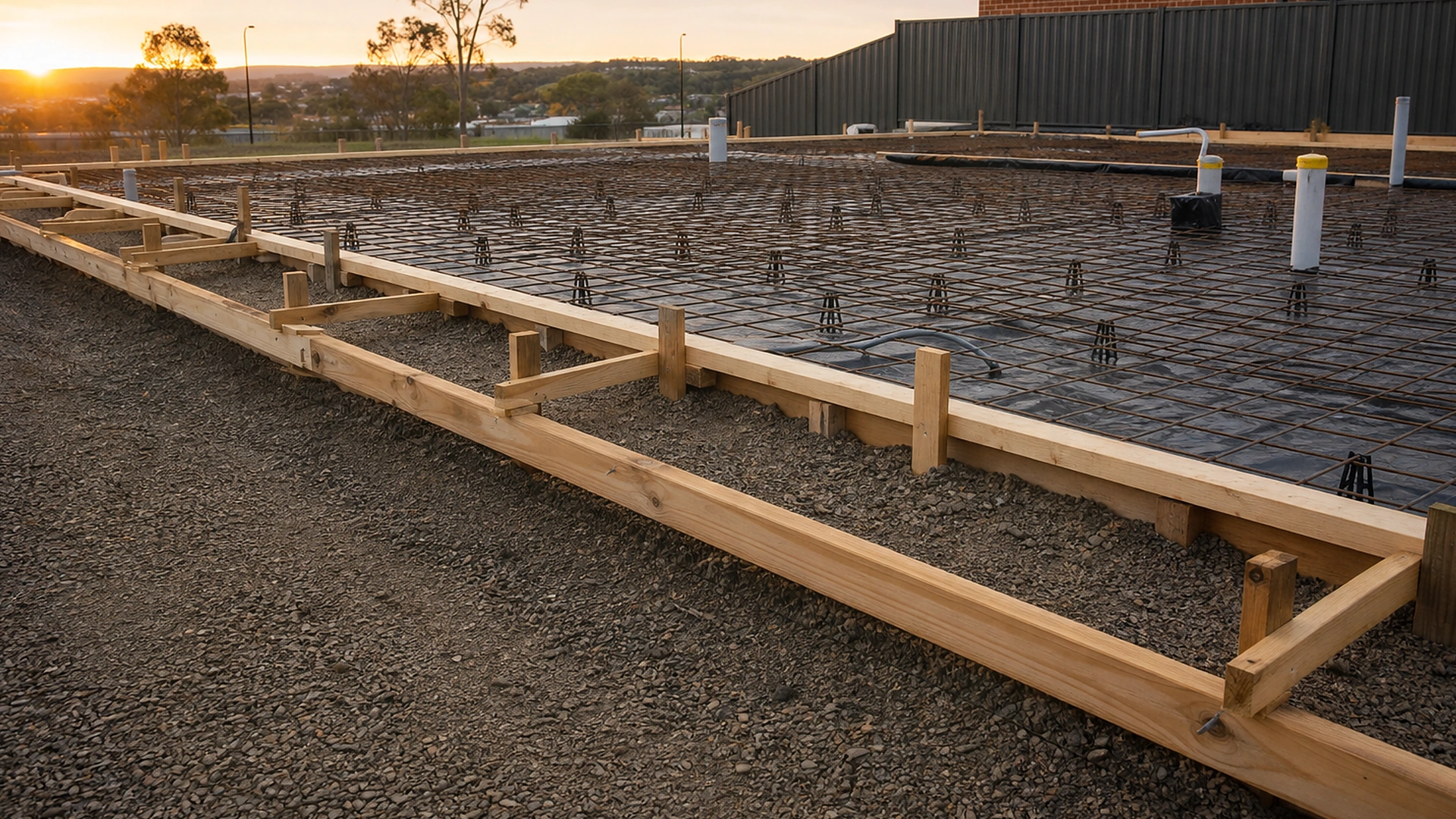
Concrete jobs need access for equipment and delivery, plus a clear plan for water runoff. Mention postcode 4891 and your exact suburb when you enquire so travel is priced from the start, not added to the invoice later.
Concreters covering 4891
12 concreters covering Karumba
Second-generation, owner-operated concreting business run by Terry Achilles (QBCC 76449) with over 30 years' experience in Brisbane's western suburbs. Listed from web research.
Not sure who to pick?
Record one request against eligible concreters covering Karumba. NearMe reports the request status; it does not imply delivery.
Concreters can list their business.
Suburbs in 4891
Common questions in 4891
How much does a concrete driveway cost?+
Plain concrete driveways commonly run $65 to $90 per square metre, with exposed aggregate and decorative finishes closer to $100 to $150, so a standard driveway often lands between $4,000 and $12,000. Site access, excavation and reinforcement drive the price. Get the thickness and steel specified in the quote.
How thick should a concrete driveway be?+
A residential driveway is typically 100mm thick with reinforcement, and thicker where heavier vehicles are involved. Thickness, a compacted base and steel reinforcement are what stop a driveway cracking under load. Be wary of a cheap quote that skimps on base preparation or steel.
How long before I can use new concrete?+
You can usually walk on new concrete after 24 to 48 hours, but wait about seven days before driving on a new driveway and around 28 days for it to reach full strength. Rushing vehicle traffic onto fresh concrete is a common cause of early cracking.
Do I need council approval for concreting?+
Paths and driveways on private land often do not need approval, but slabs for structures, work in easements, and changes to stormwater or crossovers can require council or water-authority approval. Ask your concreter to confirm before pouring, since removing non-compliant work is expensive.
Why does concrete crack?+
Some fine hairline cracking is normal as concrete cures, but larger cracks usually come from a poor base, missing or badly placed reinforcement, no control joints, or loading it too early. A properly prepared and jointed slab minimises cracking. Control joints are placed to make any cracking follow a straight, hidden line.